By: Jonathan Kwan
November 27, 2026
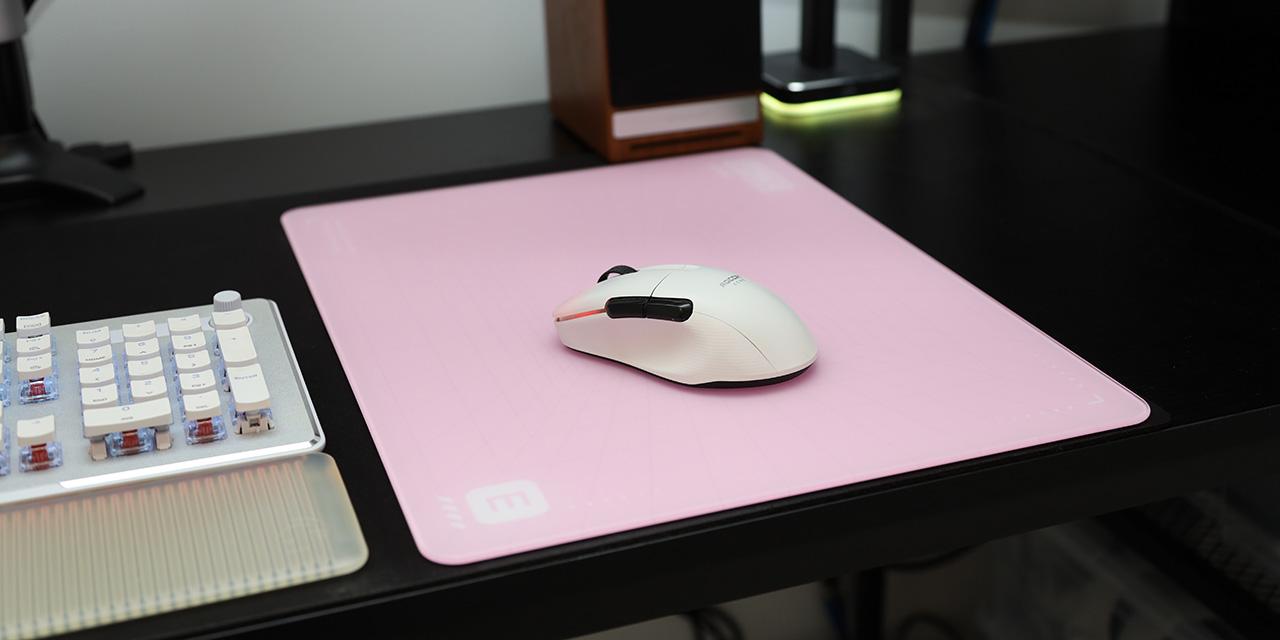
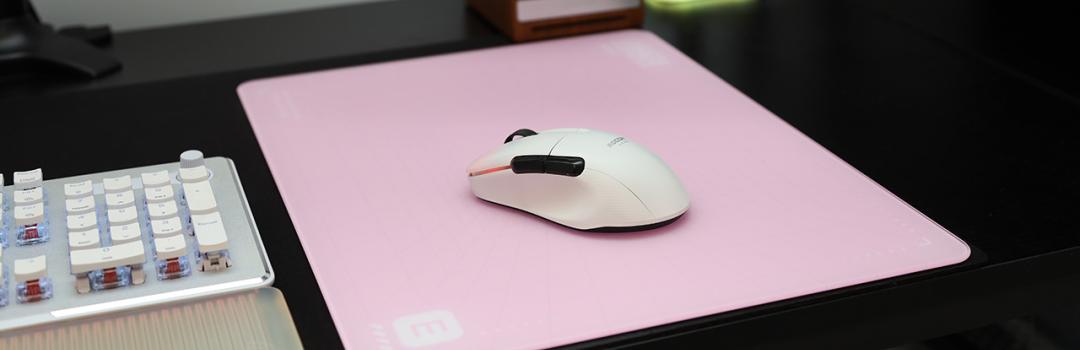
I was calling my friends in Germany a while back when we started talking about my house here in Canada. They asked me how big my house was, to which I said it has about 2800 sqft of finished area including the basement. They expressed shock at how much floor space I had, and I had a hard time explaining that this is a fairly standard size for a newer single detached Canadian home with a front drive garage. My European friends then asked me if it was hot in my house, as they were going through a heat wave at the time. I told them I had central air conditioning. They could not figure out why it was necessary, and whether it was expensive to operate, as central AC consumes a lot of electricity. I mentioned electricity is relatively cheap, and even if it was not, I have solar, which generates an average of 10 MWh per year, so I am not too worried about it. I often find it funny Europeans simply cannot comprehend North American excess, and I am not ashamed to say we are indeed kind of extra -- and proud of it. So being an extra North American that I am, let me bring up a classic peripheral of excess, the performance mousepad. The Epomaker GP1 is a medium-size glass mousepad, and the last time I have personally covered a glass mousepad was over twenty years ago with the Corepad Magna. But this is not the only extra thing we are having today. We have also completely revised our mousepad testing scheme, which now includes quantitative measurements of glide, grip, and noise, benchmarked against several classic favorites here at APH Networks. Extra? Yes. What did we find? Read on to find out!

Our review unit of the Epomaker GP1 arrived in white plastic wrap from Epomaker's headquarters in Shenzhen, China. The shipment was coordinated by YunExpress and delivered by eMile Express to our doors here in Calgary, Alberta, Canada after an eight-day journey. Everything arrived in great condition after traveling halfway across the world for our review today.

The retail box design for the Epomaker GP1 is thematically consistent with other products we have reviewed from the company. In the case of this mousepad, we see a predominantly black, gray, and white color scheme, where a diagonal line across the center divides the left and the right. The background is a one-point perspective grid with converging lines that lead toward a rectangular vanishing point. This is the same pattern you will see on the mousepad itself later on. Epomaker's logo is at the top left corner. A drawing of the GP1 occupies some prime real estate, while the model name and product description are prominently placed just to its left. One of the three checkboxes indicate the color variant inside, which appears to be manually marked by somebody with a pen. Product specifications, manufacturer information, and regulatory logos can be found at the back of the box.
Before we move on, let us take a look at the specifications of the Epomaker GP1, as obtained from the back of the box:
Material: Glass and PU leather
Size: 410mm x 310mm

Out of the box, the Epomaker GP1 mousepad itself is securely placed inside a polyethylene tray along with two loose strips to hold it down. Epomaker also throws in two sheets of ten PTFE, otherwise known as Teflon, dot skates for a total of twenty that can be used with your mouse. Other than that, this is a mousepad, so it already includes more than what I would normally expect.
Page Index
1. Introduction, Packaging, Specifications
2. A Closer Look
3. Performance Tests
4. Conclusion