Page 4 - A Closer Look - Disassembly and Internals

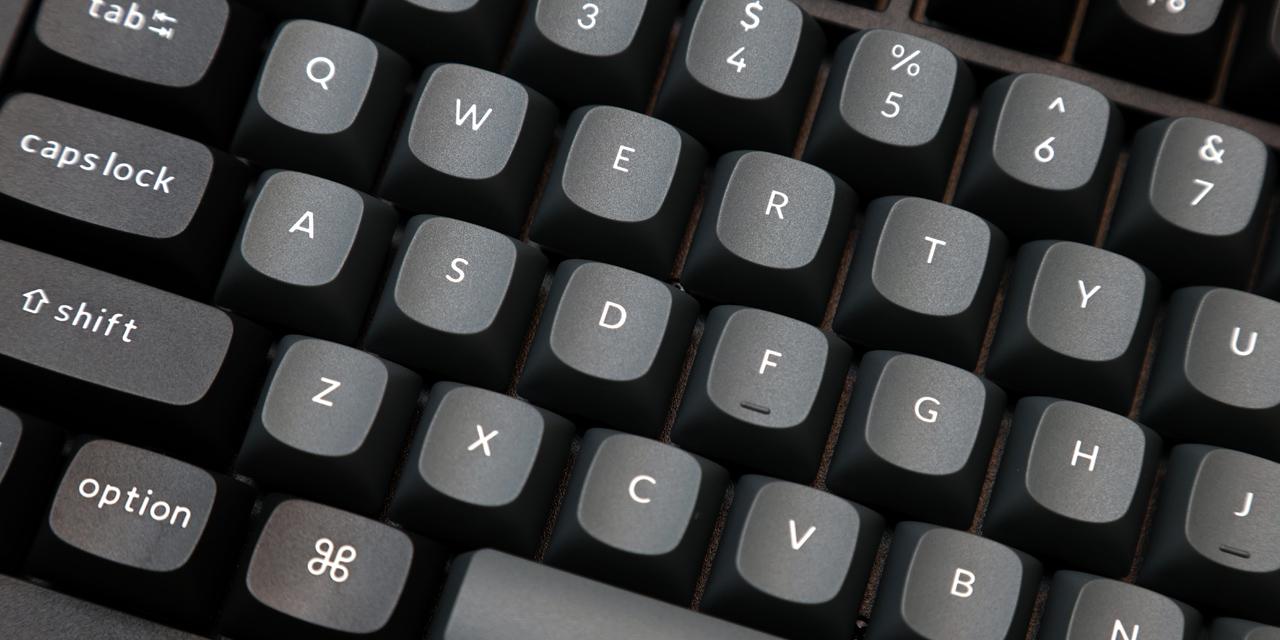
As part of our disassembly, we can start by inspecting the keycaps. These are PBT or polybutylene terephthalate plastic with a double-shot injection. I like PBT as a material choice, as it is more durable and does not shine or fade over time compared to other commonly used plastics like ABS. On the other hand, these are not the thickest PBT keycaps we have seen, and it also has a low-profile height. The PBT plastic has a nice texture on the top. The legends are inserted with a second layer of plastic, which is why you see a black outer and translucent inner plastic. As such, the legends will not fade or wear over time, but it is a costly option for making keycaps. The choice of font is clear and legible but follows Turtle Beach's font. The keycaps use standard MX stems with a low profile, OEM-like top and angle. The Turtle Beach Command Series KB7 and KP7 offers full NKRO over USB. NKRO stands for N-key rollover, which refers to the number of keys scanned independently by the hardware.

The longer keys, like the space bar and Enter, have Cherry-style stabilizers on each side to ensure an even actuation and prevent wobbling. Interestingly, my keypad was missing a stabilizer on one side of the 0 key, which should have been caught by quality control. The stabilizers look like there is a bit of lubrication here and they do not squeak. They do have a slight bit of rattle still when typing. The backplate is aluminum and does not flex under pressure. This also affects how each keystroke sound with its higher pitched click. There is some padding between the gap here, but when we looked closer, it does not look like there is any foam or rubber in between the plate and the PCB underneath.

One key selling point of the Turtle Beach Command Series lineup is its switch technology. Mechanical switches consist of a housing base, stem, and spring, offering varying levels of tactile and audible feedback. However, you already know the KB7 and KP7 do not use typical mechanical switches, but rather Hall effect magnetic switches. In addition to the previously mentioned parts, each stem has a small magnet at the bottom of the stem. This is detected up by the sensor on the PCB. More specifically, these are Turtle Beach's Titan Low-Profile Hall Effect switches. They are linear switches with an expected lifespan of one hundred million keystrokes. These connect with hot swap sockets, but it is not clear if the Command Series supports other Hall effect switches or not.
As for physical differences, the Titan Low-Profile Hall Effect switch has a translucent white top and black bottom enclosure. A purple stem sits in the middle with a magnet embedded on a protrusion. Materials are not known for any of these parts. This stem straddles over a 15mm spring that keeps the magnet away from the bottom until it is intentionally pressed. The switch stem has minimal lateral movement inside the enclosure, which makes the actuation feel stable and the keys have minimal wobble. The switches are also factory lubricated for a smoother typing feel and sound.

Like peripherals from many gaming manufacturers, the Turtle Beach Command Series KB7 or KP7 is not easy to take apart, so I could not get a photo of the internals. There are screws under the keycaps to release the backplate from the plastic body, but on both the keyboard and keypad, there was something else holding the top plate in place. From the KP7, I could wedge open the bottom and only saw a few ribbon cables inside the enclosure with no padding between the backplate and the PCB or any rubber to fill the bottom. Presumably, the keyboard is also built the same way. This is why the audible feedback when typing on the Command Series lineup feels insufficiently hollow.
Page Index
1. Introduction, Packaging, Specifications
2. A Closer Look - Keyboard Hardware and Software
3. A Closer Look - Keypad Hardware and Software
4. A Closer Look - Disassembly and Internals
5. Conclusion