Page 4 - Conclusion
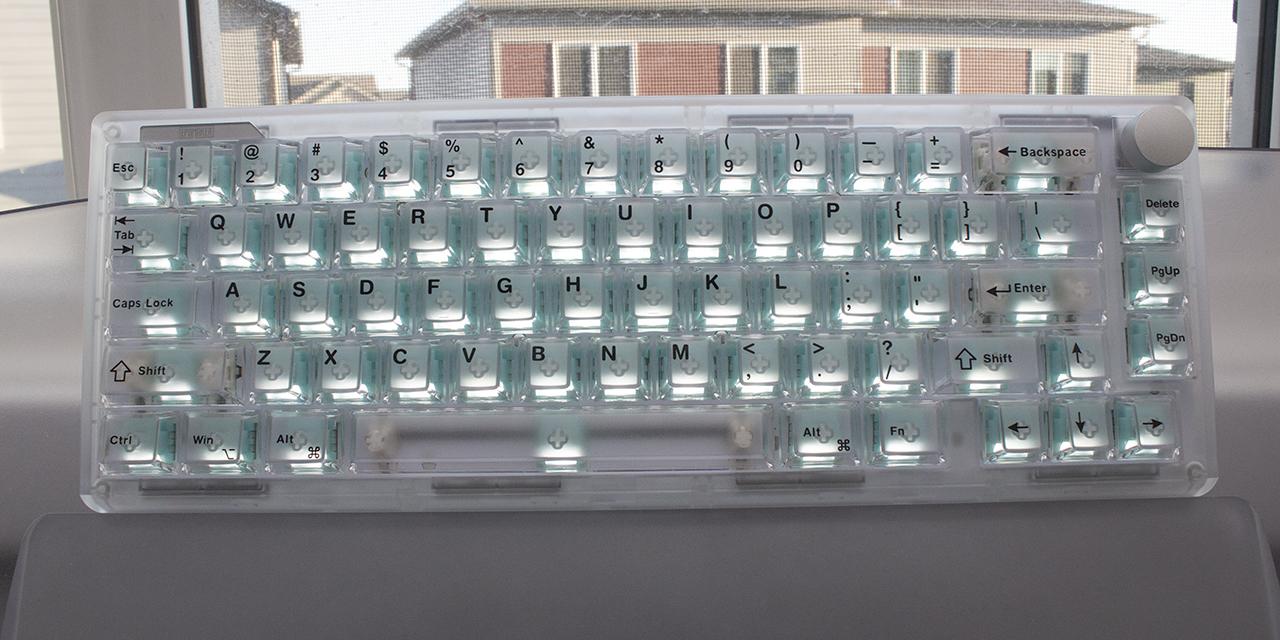
The Epomaker Luma100 is a 96% low profile keyboard that has all the keys necessary for those who need to do tasks behind their desks. Will this keyboard be worth the effort to bring into the office? In my opinion, the Luma100 is definitely a good choice when it comes to 96% layout keyboards, filling in the place for low profile keyboards. It offers an aluminum case that only comes in silver, paired with white keycaps for a professional ook. The Luma100 uses VIA, which is an amazing software that allows you to rebind keys, change layout, customize lighting settings, setup macros, and save the profile. Inside the case, we have a gasket mount. I was quite impressed with the performance of the gasket mount given how little space there was inside the case. Epomaker does a good job at applying foam to help dampen noise insides as well. The lighting effects are quite beautiful, especially with the white keycaps. The glow reflects extremely well too. I will say the weakest part of the Luma100 would be the Mint switches, as I found them quite scratchy. This weakness comes with the caveat that they can easily be swapped out, as the keyboard is hot-swappable. At a price of $120 USD at press time, the Epomaker100 is definitely a good option for anyone looking for a low-profile wireless mechanical keyboard.

Epomaker provided this product to APH Networks for the purposes of evaluation.
APH Networks Review Focus Summary:
7/10 means Great product with many advantages and certain insignificant drawbacks, but should be considered before purchasing.
-- Final APH Networks Numeric Rating is 7.0/10
Please note that the APH Networks Numeric Rating system is based off our proprietary guidelines in the Review Focus, and should not be compared to other publications.
The Epomaker Luma100 is a wireless low profile 96% mechanical keyboard for anyone looking for something with a professional appearance with a smaller footprint.
Page Index
1. Introduction, Packaging, Specifications
2. A Closer Look - Hardware and Software
3. A Closer Look – Disassembly and Internals
4. Conclusion