Page 2 - Physical Look - Hardware
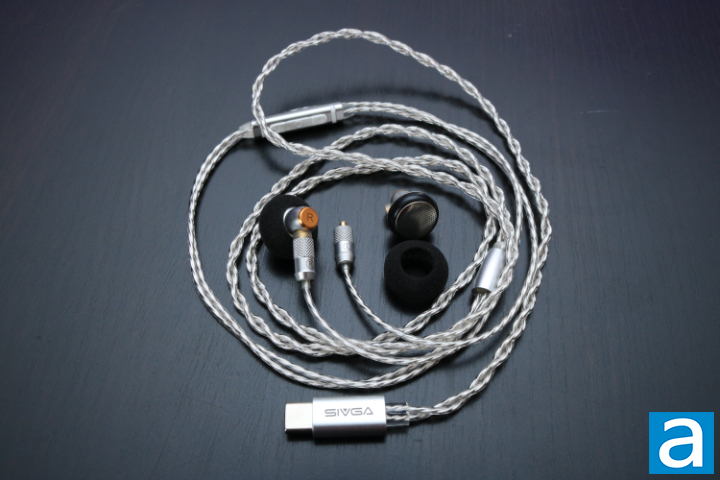
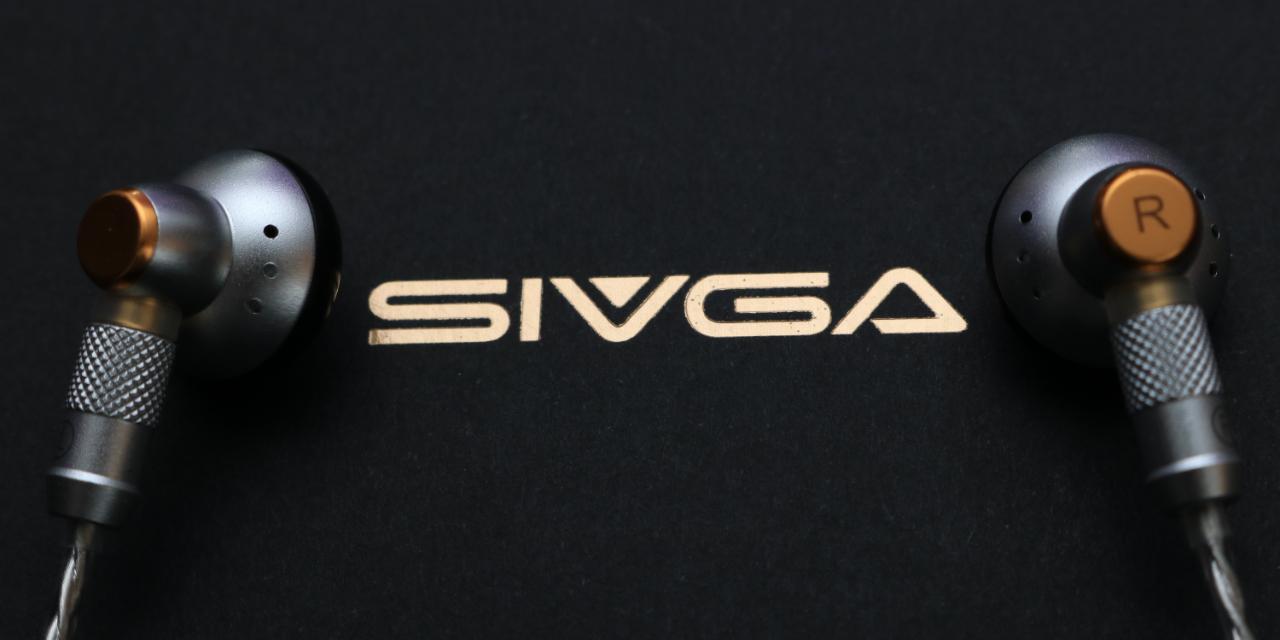
The aesthetic of the SIVGA M260 is very clean and nostalgic, as it reminds me of similar designs my parents’ old electronics had. My favorite features are the silver metallic finish and the knurled texture on the earbud. Just before the cable, a translucent ring covers the gold connectors. It is reminiscent of older audio jacks or RCA jacks for old TVs. These earbuds also feature a very nice contrast of gold discs on the back of each earbud; each etched with its respective R or L to indicate which side is which. On the flat-head earbud itself, the matte black ring accent and the open metal grill design gives it the retro look. The M260 is only available with this color palette. The other options, however, differ only in their cable. Other versions include a 3.5mm L-shaped plug without a microphone, 3.5mm plug with a microphone, and USB Type-C cable with a microphone. The version used in this review is the USB Type-C cable with a microphone. The M260 earbud measures approximately 2.2cm in length, 1.6cm in width, and 1.5cm in height, with a weight of about 5g for each side.
For materials, the M260 body is made of CNC-machined aluminum, giving it a lightweight build and expected durability. The entire body of the M260 resists fingerprints, as the metal finish makes fingerprints nearly invisible under bright light. Therefore, the retro look of these earbuds should remain so even with regular use.
As for the wire materials, SIVGA states it chose “4N Silver-Plated OFC” for its detachable MMCX cable. The “4N” refers to copper that is 99.99% pure, and OFC stands for oxygen-free copper. Both approaches aim to resist oxidation in the cables. Additionally, the M260’s modular design allows the earbuds to connect via MMCX, so the cables can be replaced once they reach the end of their lifespan. All cables available for these earbuds feature helically wound cables with twisted-pair silver-plated OFC conductors, which contribute to strain relief and tangle resistance.
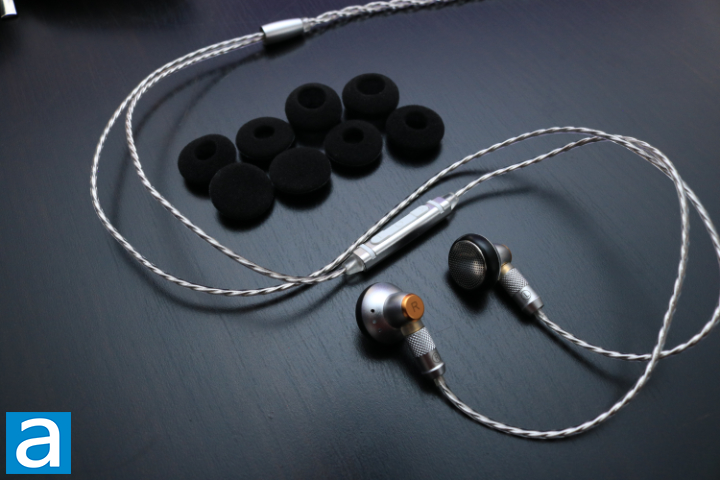
The M260 includes four pairs of foam ear tips, two pairs are hollow and two are full wrap. The foam is quite thick, so it fills your ear comfortably. Additionally, because it is soft and compressible, it can fit smaller ear canals. After trying out both types of ear tips, I decided I prefer the full-wrap ones. They wrap snugly around the earbud and need little to no adjustment when you put the earbuds in or take them out. Both ear tips deliver essentially identical audio performance, so comfort and fit should guide your choice.
SIVGA's M260 has a traditional dynamic driver layout. Dynamic drivers are the oldest, cheapest, and most common transducer type in audio technology, especially in the budget-friendly market. Dynamic drivers tend to deliver strong bass because their diaphragms can move a substantial amount of air. However, the M260 stays true to its retro design and has no passive noise-cancelling features. The foam ear tips do not create a good seal between the transducer and your eardrum, which allows ambient noise to leak into your listening experience. The M260 houses a 14.2 mm dynamic driver with a copper-ring composite bio-diaphragm. The diaphragm’s diameter is larger than that of most standard earbuds, which range from 6 to 12 mm, but it is consistent with retro earbud designs. The copper ring adds some stiffness and damping to the diaphragm, which could reduce unwanted vibrations. According to SIVGA’s website, the drivers have a total harmonic distortion of less than 1% at 1 kHz. Their frequency response spans 20 Hz to 20 kHz, which matches the commonly cited range of human hearing. The box lists a sensitivity of 116 dB, while the website claims 118 dB. I am not sure which one is accurate, but either way, both figures are well above typical earbuds, which are often rated around 95 to 105 dB. For example, our reviews of the 1MORE Quad Driver and Kiwi Ears Belle list sensitivities of 99 dB and 103 dB, respectively. The M260’s impedance of 16Ω is on the low side for earbuds, which means computers, tablets, and smartphones can easily drive it.
SIVGA’s website also lists a CCAW voice coil and an N50 neodymium magnet as key components. CCAW stands for copper-clad aluminum wire, a material choice that reduces weight and may help offset the added mass of the copper ring. The N50 neodymium magnet is one of the stronger grades available for drivers, so it is uncommon in budget-friendly earphones.
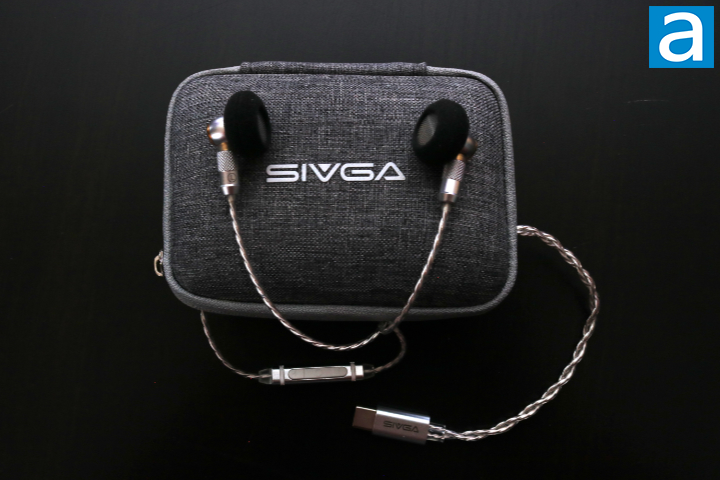
The USB Type-C cable with a microphone measure just under 1.6m in total length. Its helically wound structure helps prevent tangling as aforementioned, so the length is not a major drawback. Over the two weeks I have used these headphones, they have not tangled into a mess unless I really tried.
Finally, the M260 comes with a grey semi-rigid zippered case. The case exterior has a fine textile texture and measures about 10.5 cm in length, 7.5 cm in width, and 3.5 cm in height. Inside the case is black ribbed fabric, with one side having an elastic mesh pocket that could hold the M260's ear tips.
Page Index
1. Introduction, Packaging, Specifications
2. Physical Look - Hardware
3. Subjective Audio Analysis
4. Conclusion